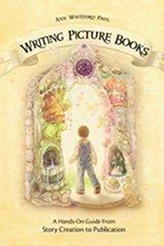
 Totally thrilled to have Ann Whitford Paul stopping by Finders & Keepers today with Writing Picture Books! Because you get a peek into a wonderful writing book, a chance to win this gem, plus Ann’s tips to keep in mind when writing a picture book. That’s a lot of bang for one little peek!
You’ll notice, down on the bottom of the book cover, a few words that might be difficult to make out. So I’ll spell it out for you: “A Hands On Guide From Story Creation to Publication.” And that’s exactly what you’re getting, right from the first chapter. Ann takes your story (and even if you don’t have one yet, she’ll wait patiently while you write your first draft), and chapter by chapter, she’ll guide you through the steps of picture book creation and development.
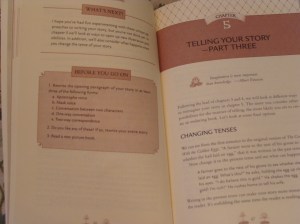 At the end of each chapter, Ann’s included a few exercises in “Before You Go On.” See what I mean about step by step instructions?
Here, for example, Ann suggests that you rewrite your first paragraph in one of the forms she discussed in Chapter 4 (Telling Your Story-Part Two)
And what I really appreciate about Writing Picture Books is the way that she gives such thorough explanations with plenty of examples.
How about a further peek into Ann’s brilliance with her Five Tips to Keep in Mind When Writing Picture Books:
1. To thine own self be true—don’t try to imitate anyone else—write about what matters to you. The books that become best sellers are those that are not mere copies of what has gone before. They surprise with the new and unexpected.
2. Understand the unique picture book (32 pages) form and how that relates to your writing (lots of action, compelling page turns, etc.) and your double audience of adults AND children—APPEAL TO BOTH.
3. Picture books are tight and focused. (one of my picture books is only 66 words!) Illustrations are the descriptions you don’t have to write.
4. All Picture books are poems, even if they’re written in prose so it behooves every writer to read lots of poetry. The language must echo the action of the story.
5. Revise, revise, revise. Then revise some more! One of my 200 plus word manuscripts was revised 56 times—these were major changes! Avoid sending out a manuscript that is not the best you can make it.
Bet you can’t wait to find out how you can win this keeper! It’s simple, really. Leave your own tip (or if you’re tip-less, a comment will do). I’m keeping the comment line open for all those would-be picture book writers who might be celebrating the Fourth, so you have till Sunday, July 5th. Check back here on Monday, July 6th to see if you’re a winner! (Think positive! Start writing that children’s picture book now!)
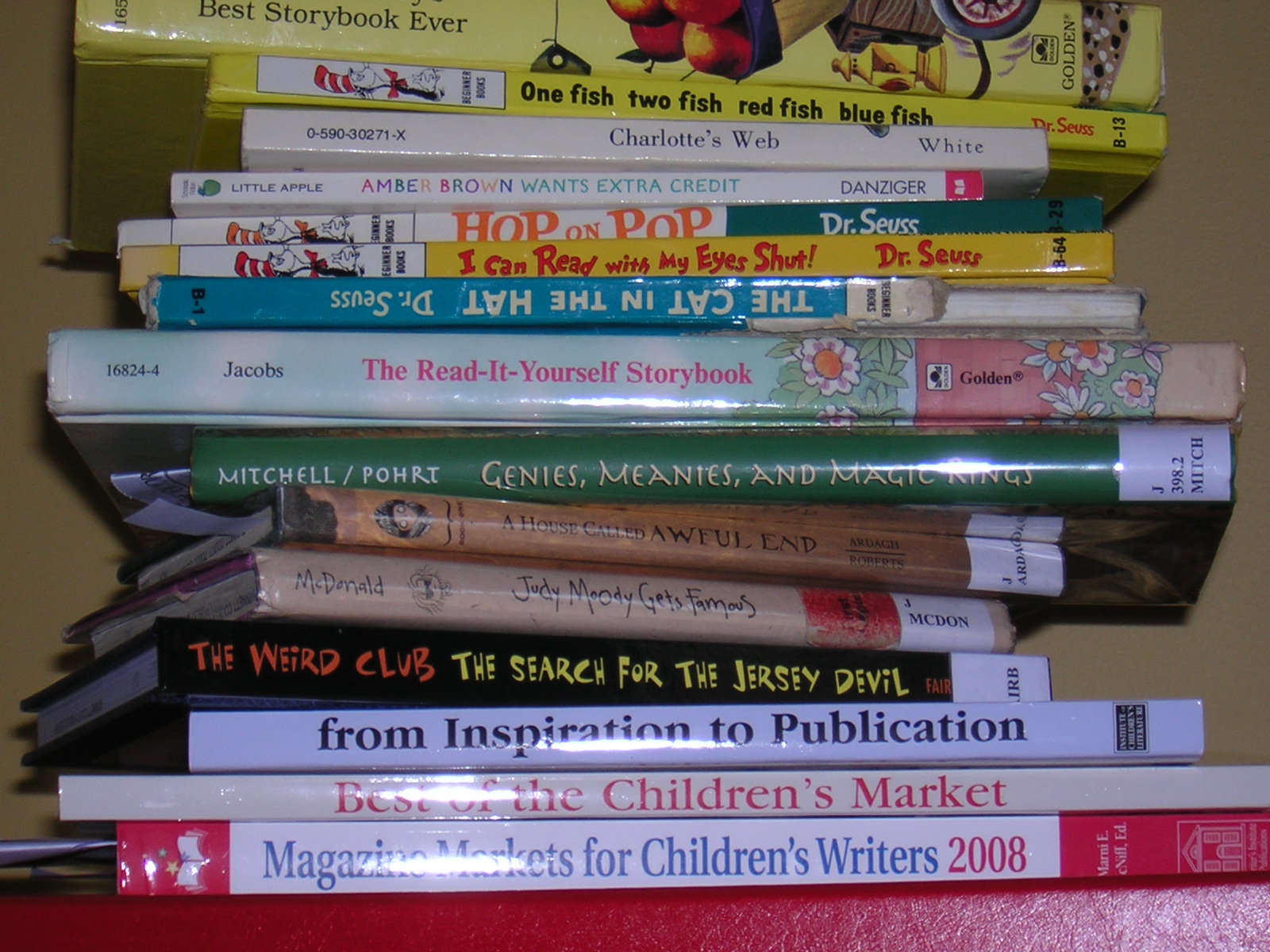 Sure, you’re all about the writing. But if you want to write for kids, or teens, or even toddlers, then it might be a good idea to check out what kids, or teens, or even toddlers are reading (or chewing on, as the case may be).
 Cathy C. Hall Writes