How Good Reading Makes For Good Writing

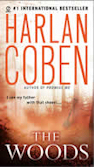
So I was thinking that the Beneficent Mr. Hall would really enjoy Harlan Coben’s The Woods–plus, it was free, so I brought it home. (I can be beneficent, too, you know.) And wouldn’t you know it? The man had already read it.

So there lay the book on my table…waiting.

Now, of course I’d heard of Harlan Coben, and read a couple writing articles by Harlan Coben, and knew he was all that and a bag of chips. But I’d quit reading mysteries years ago. I love a good mystery, but after years of reading tons of mysteries, one gets halfway into the first chapter and says, “He’s the guy. (Or girl, as the case may be.)” Which sort of defeats the purpose of a mystery, right?

Still, it was New York Times best-seller Harlan Coben and I thought, okay, fine. I’ll read one more mystery. But it better be good.

Oh, it was good. It was real good. It was why-must-you-torture-me-with-your-excellent-writing good.

So. I’m thoroughly chastened. And not just because I’d pooh-poohed mystery reading. I read The Woods through the eyes of a wannabe published author and learned SO much about writing that works… great pacing, authentic character development, just the right mix of description and narrative, true dialogue. And the way he wove so many stories together so effortlessly and organically  was brilliant. (And how in the world can he do that without outlining???).

It was way more than reading. It was an education. And it was there, all along, just waiting for me.

So, how about you? Got a book like that? ‘Cause I’d sure love to read it. (Perhaps the Beneficent Mr. Hall would, too. But he’ll have to wait till I’ve finished it first. I’m not that beneficent. )

P.S. I came across this list of Six Page Turners You’ll Tear Through from Oprah’s book picks. Since I tore through The Woods, I thought I might try one of these, maybe learn a little more. Holy moly, I hope my brain doesn’t explode this summer!
What Not To Do Wednesday on Revisions and Bathrooms

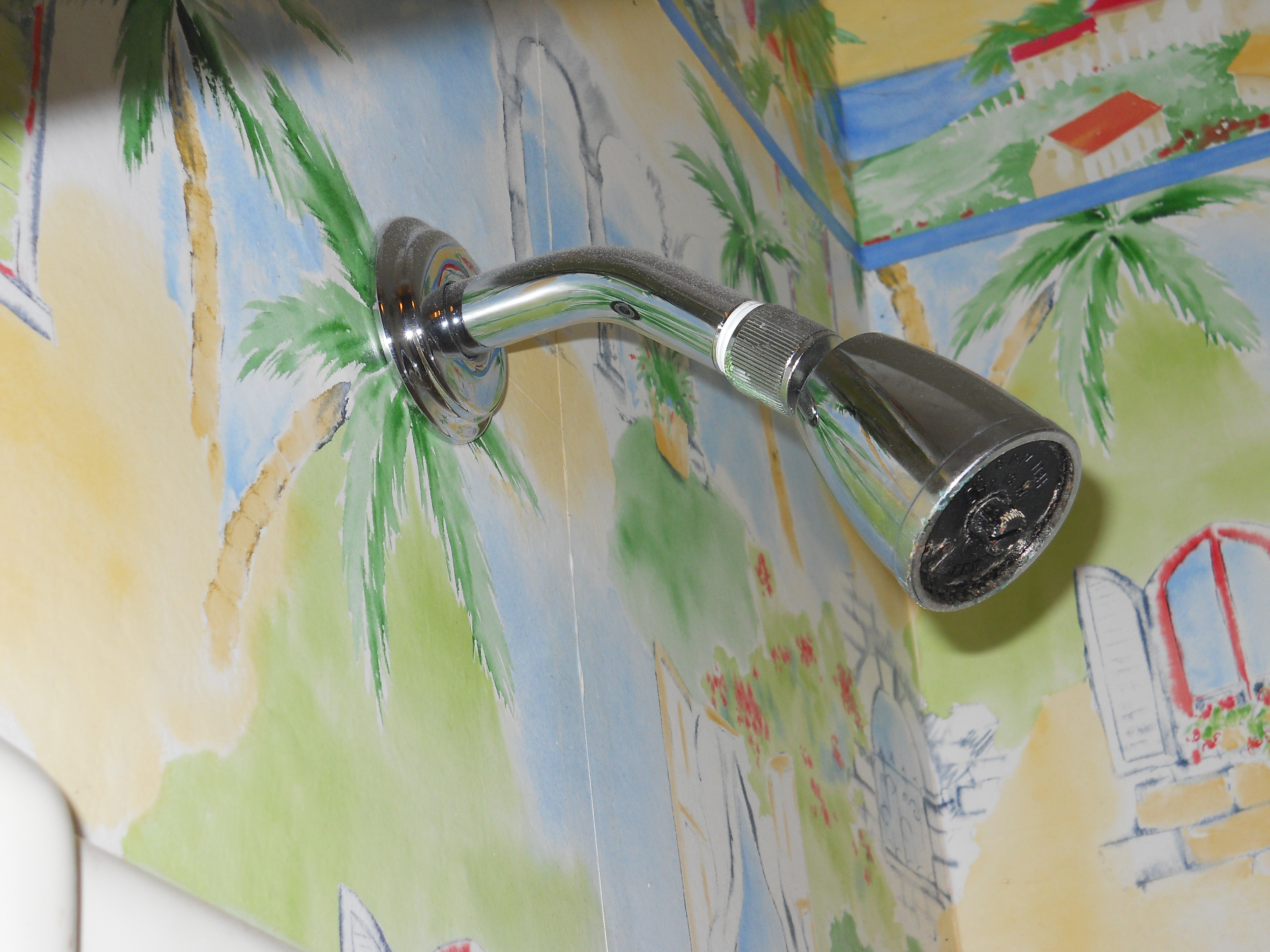
The last week or so, I’ve been doing a major bathroom makeover at the Hall house (well, I haven’t been doing it–I have a guy) and working on a major revision on my YA novel (which I have been doing, all by my lonesome).  I do not recommend pursuing these joint activities if at all possible. Unless you work better with buzzing, sawing, thumping and other builderly things going on in the background.

So I woke up this morning, thinking of Becky Levine and a contest she held a while back in which I won her book, The Writing and Critique Group Survival Guide (a very swell book, by the way). Becky wanted three sentences with a metaphor for revision (and a whole bunch of points she wanted us to make) and here’s what I wrote:

Revisions are like the Bathroom Makeover from Hell when you look around your very serviceable bathroom, knowing there are some things you must keep because you love them so, some things you can’t change without ruining the structure, and some things that absolutely must go because they’re just unnecessary or downright ugly. So you roll up your sleeves and get to work, and along the way, you find that everytime you make a change, it affects the whole makeover. Till at last, after a TON of blood, sweat and tears, you’ve got a pretty decent bathroom–and you vow you’ll NEVER do that again, until you walk into your very serviceable kitchen.

I would just like to say that the Bathroom Makeover from Hell was extremely apt.

But I need to add a few points because, grasshopper, I have learned a few things about makeovers and revisions since then.

1. Do not assume that the work will be done in the time period first agreed upon. Stuff happens. So you could probably save yourself a whole lot of stressing if you picked a date about 30 days after your projected completion. Then you’ll be all “Wheee! I’m going to finish early!” Which is way better than sending an email saying, “Could I get a few extra days? Say like 30?” To editors or relatives planning to stay in your home.

2. Check the details. Sure, it may seem obvious what side of the trim board should be painted. But trust me when I tell you that it can be trickier than it looks. The same way that it may seem obvious that you no longer need a character and can easily dump him/her. But that, too, is way trickier than it looks (though you may not realize it until 70 or 80 pages later).

3. Save everything. Of course you’re going to save important stuff like receipts and contracts. But you also need to save little things. Like that extra paint label that’s some sort of secret coding to paint guys–or else you may end up sending a Juniorette Hall to the store to buy more paint in the middle of the project with a paint can lid that you’ve wrapped ever so carefully but somehow still ended up with a mess on your hands. So save every version of your manuscript you’ve worked on. You never know when you may need that one little paragraph from way, way back–and if you try to recreate it, you’ll find that you’ve dropped a few words here and there, making a mess of things.

I’m sure I could come up with lots more What-Not-To-Do’s. In fact, I’m sure you could come up with something I’ve left out and I’d be glad to have your insights. Because I’ve got plenty more revising and painting on the horizon/bathroom.