 Leap days are extra, so I thought it’d be swell to give you an extra bit of wisdom from Kristin Daly Rens (senior editor from Balzer & Bray/Harper Collins) who spoke at the conference. Plus, I had a pic of her with Cathy-on-a-Stick and that’s always a bonus, right?
So Kristin (who is funny, delightful, smart, and charming and I’m not just saying that because she happened to do my formal critique) spoke about dialogue and plotting. But (and I’m sure this will come as no surprise to you) I cannot find my plot notes. So we’ll be sharing dialogue notes today.
She had a ton of great tips about dialogue, and examples of sparkling banter in books. Um, apparently, I did not write down the book titles. But Debra Mayhew, who sat next to me, wrote down every single book mentioned and then she shared them on her blog. (Why thank you, Deb!).
So now, let’s dash to Kristin’s tips, starting with what to avoid in dialogue.
AVOID SAYING SOMETHING YOU’VE JUST SHOWN. (Yes, I know that seems like common sense. But it’s a terribly common problem and one you should check for when editing your manuscript. Because…
TOO MUCH DIALOGUE SLOWS DOWN THE STORY (Who knew? I LOVE dialogue. In fact, I tend to read the dialogue in books and skip all that descriptive stuff. But it occurred to me that I can do that because I read good books where the dialogue is used correctly. How so, you wonder? So glad you asked.
DIALOGUE SHOULD BE SIGNIFICANT (Every word of dialogue should matter to the story. Every. Single. Word. Yes, you want to be authentic, but not so authentic that you bore your readers. So don’t put in all those umm’s and uh’s. Put in the words that matter and most importantly…
PUT IN THE WORDS THAT MOVE THE STORY FORWARD (That tip speaks for itself, doesn’t it? Get it? Speaks for itself? Um, yeah…we’ll just move on. Like your story should do with great dialogue.)
Because now I think you have enough dialogue information to make your own banter extra sparkly. And you’ve got an extra day to do it!
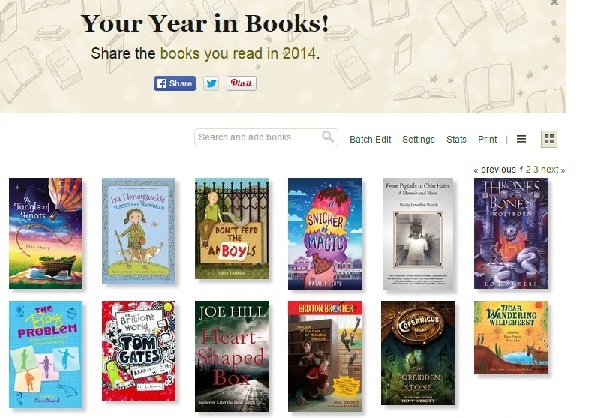 I opened the inbox today to find my Goodreads Year in Books!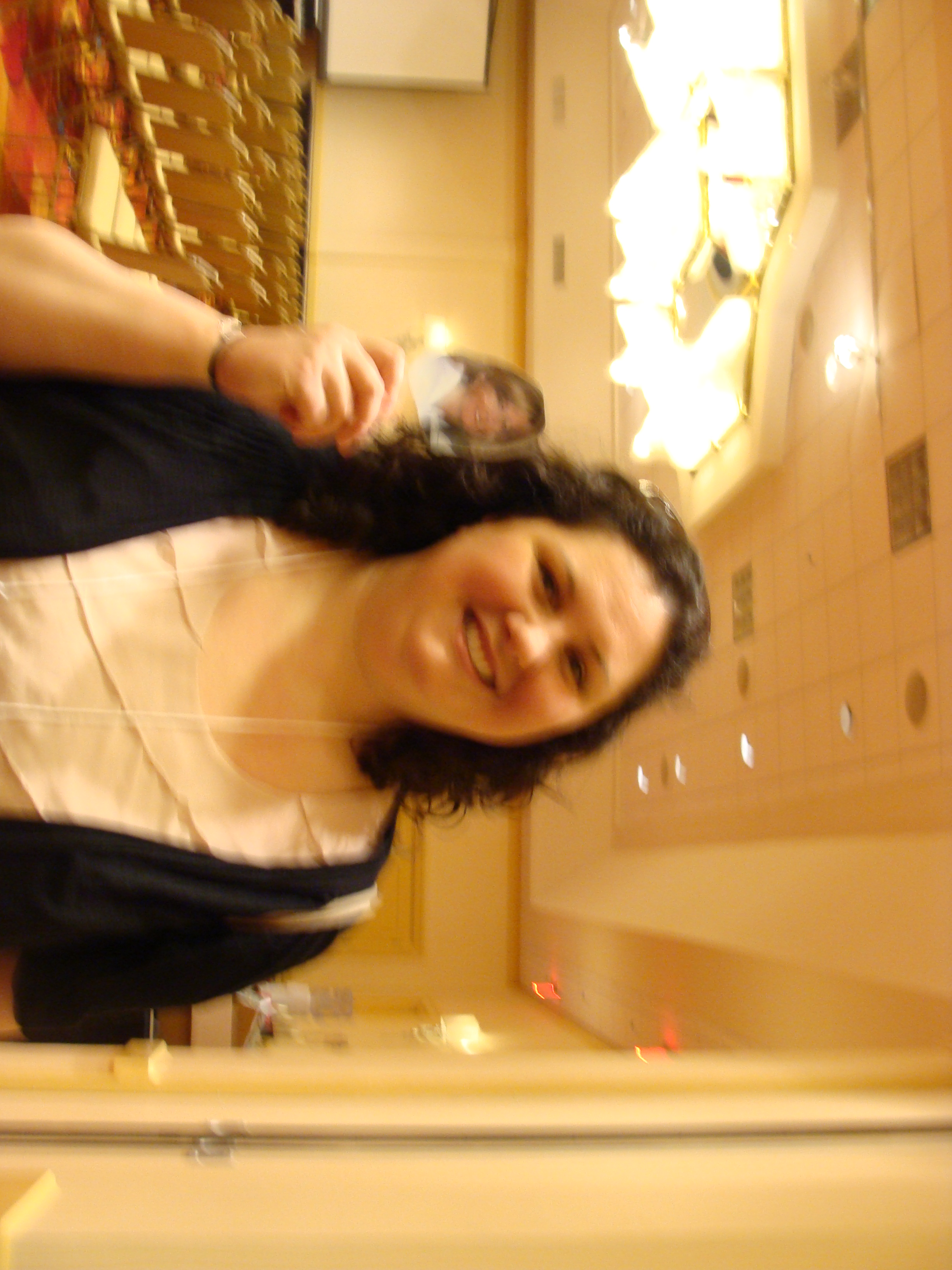
 Cathy C. Hall Writes